Easy Crochet Slipper Pattern for Kids That Fits
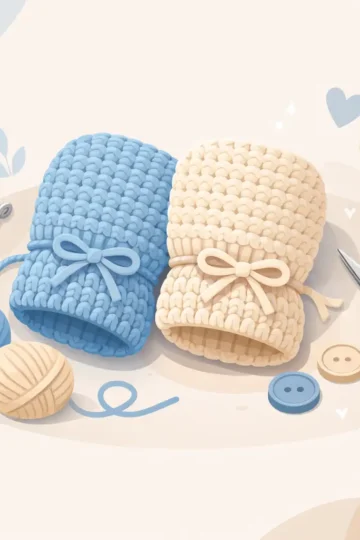
A pair of handmade slippers has a way of becoming the pair a child reaches for first: beside the bed on chilly mornings, after bath time, or during a family movie night. The best easy crochet slipper pattern kids can wear often looks sweet and simple, but it also pays attention to the little details that matter most - a soft interior, a secure fit, and yarn that can handle real life.
For young children, crochet slippers do not need fancy shaping or complicated stitches to feel special. A basic design in their favorite color, finished with a tiny pom-pom, bear ears, or a cheerful stripe, can be just as adorable as a more elaborate pair. The goal is to make something cozy enough for everyday use and easy enough that you will happily make another pair when little feet grow.
What Makes a Crochet Slipper Pattern Easy?
An easy slipper pattern should let you focus on the fun part: watching a useful little shoe take shape in your hands. Look for a design that uses one or two familiar stitches, such as single crochet, half double crochet, or double crochet. These stitches create a warm fabric without requiring lots of stitch counting or tricky texture work.
The easiest constructions usually begin with a flat sole or a simple toe section, then build upward in rounds or short rows. A pattern with clear size checkpoints is especially helpful. Being able to pause after the sole and compare it to a child's foot can save you from finishing a cute slipper that is just a bit too short.
Simple does not have to mean plain. A ribbed cuff gives a basic slipper a polished, store-bought look, while a contrasting toe or color-blocked sole adds personality without adding much difficulty. Save appliques and animal features for the end, once the slipper fit is settled.
How to Choose an Easy Crochet Slipper Pattern for Kids
Before choosing a project, think about how the slippers will be used. A soft, lightweight pair is lovely for a toddler who wears slippers indoors after naps. A slightly denser pair with a taller cuff can be cozier for an older child in a cooler home. Neither option is better for every family - comfort, climate, and the child's habits all play a part.
For a first pair, choose a low-cut slipper or a slipper sock with a gentle cuff. Tall boot-style slippers can be wonderfully warm, but they take more yarn and often need more careful shaping around the ankle. Open-back styles are quick to make and easy to slip on, although they may not stay on a busy preschooler as well as a closed-heel design.
It also helps to consider the recipient. A child who loves dinosaurs may adore a green pair with small spikes down the top. For a baby shower gift or a child you do not know well, soft neutrals with a simple textured cuff are a safe, useful choice. SweCraftCorner projects are designed with that real-family balance in mind: cute enough to delight a child, practical enough that a parent will use them.
Pick Yarn for Softness Before Speed
Bulky yarn can make a quick project, but the thickest yarn is not always the best choice for small slippers. Very plush chenille yarn feels wonderfully soft, yet it can make it harder to see stitches and check gauge. If you are new to crochet, a smooth worsted-weight yarn is often easier to work with and gives you more control over the finished size.
A washable acrylic or acrylic blend is a practical choice for kid slippers. It is soft, budget-friendly, and forgiving when a pair needs frequent washing. Cotton is breathable and has a nice firm feel, but it has less stretch and may feel cooler than acrylic in winter. Wool blends can be extra warm, although they may require more careful laundering and may not suit every child's skin.
Choose a yarn with a smooth strand rather than a fuzzy halo if you plan to add stripes, embroidery, or small details. It will be easier to see where your hook should go, and the finished stitches will look neater.
Get the Fit Right Before You Add the Cute Details
Sizing is the part of a slipper project that deserves patience. Shoe sizes vary among brands, and a child's foot can grow surprisingly quickly, so use the pattern measurements whenever possible instead of relying only on an age label. Measure from the back of the heel to the longest toe while the child is standing, then compare that number with the stated finished sole length.
Would you like to save this?
Add a little ease, but not too much. Crochet fabric stretches with wear, especially when made with a loose gauge. For slippers worked in a stretchy stitch, a finished sole that is about one-quarter to one-half inch shorter than the actual foot may fit well after use. For a firmer fabric or cotton yarn, you may want less negative ease. This is one of those times when a small swatch is worth the few extra minutes.
If the pattern includes several sizes, make the sole first and lay it against the child's foot before continuing. The sole should be close to the foot length without curling at the edges. If it is already too large, changing to a smaller hook is often more successful than simply skipping random stitches. If it is too small, go up a hook size or follow the next size instructions.
When making slippers as a surprise gift, use the child's current shoe size as a starting point, then choose the larger size if they are between sizes. A slightly roomy slipper can be worn with socks. A too-snug pair is likely to be outgrown before the gift wrapping is recycled.
Keep Little Feet Safe and Comfortable
Crochet slippers are best for indoor wear. Yarn soles can be slippery on hardwood, tile, and laminate floors, particularly when a child is running. If you want more grip, add small dots of fabric puff paint or a flexible non-slip product made for footwear to the outside of the sole. Let it cure fully before the slippers are worn, and test the grip on the family's usual flooring.
Avoid buttons, beads, safety eyes, or loose ribbons on slippers for babies and young toddlers. Even securely sewn embellishments can become a concern when little hands pull and chew. Embroidered eyes, stitched-on spots, and tightly crocheted ears are safer choices for an animal-themed design.
Check the cuff as well. It should hold the slipper in place without leaving a deep mark around the ankle. If a cuff feels tight, work it with a larger hook or use a stretchier stitch. If it slips down, a few rounds of back-loop-only single crochet can create gentle ribbing and a better fit.
Finishing a Pair That Looks Gift-Ready
The difference between a homemade pair and a polished handmade gift is often in the finish. Weave in every yarn tail carefully, especially at the toe and heel where friction is highest. Turn the slippers inside out and feel for bulky knots or rough ends that could bother sensitive feet.
Make the second slipper right away, using the first as your visual guide. Count the rows on the sole, the upper, and the cuff, even if the pattern seems simple. Small changes in tension can make two slippers look different, and matching details are much easier when the first pair is still fresh in your mind.
For a sweet gifting touch, roll the finished slippers together with a matching handmade washcloth, lovey, or pair of cozy socks. A simple paper tag with the yarn fiber and washing instructions is thoughtful for parents, especially when the slippers are headed to a baby shower or birthday party.
A Few Quick Troubleshooting Tips
If the toe puckers, the upper likely has too many decreases or the fabric is being pulled too tightly during assembly. If the heel slips off, try a taller cuff or a closed-heel style for the next pair. When the sole twists, check that your increases are evenly spaced and that you are joining rounds in the same place each time.
Do not be discouraged if your first pair is more of a fit test than a finished gift. Children's slippers are small, fast projects, which makes them ideal for practicing gauge, shaping, and finishing without committing to a large garment. Once you find an easy crochet slipper pattern for kids that suits your yarn and tension, keep your notes nearby. That reliable pattern can become your go-to make for holidays, sleepovers, and the cozy little moments families remember.
Check out my Latest Video!
Subscribe to my: