Chenille Yarn Crochet Tips for Soft Baby Makes
Chenille yarn can turn a simple crochet shape into the kind of squishy, cuddly gift little hands want to carry everywhere. But it behaves very differently from smooth cotton or acrylic. These chenille yarn crochet tips will help you make soft baby loveys, plushies, blankets, and cozy slippers without losing your stitches, stretching your fabric, or fighting your project from the first row.
Why Chenille Yarn Needs a Different Approach
Chenille yarn has a velvety pile wrapped around a core strand. That plush surface creates a beautiful, cloud-soft finish, especially for animals, security blankets, and nursery gifts. The trade-off is that individual stitches can be difficult to see, and the yarn may shed or break if it is repeatedly pulled apart.
This does not mean chenille is only for advanced crocheters. It simply rewards a slower, more intentional approach. A simple shape with clear stitch counts is often more successful than a highly detailed pattern with lots of tiny increases, decreases, and color changes.
Before beginning, check the yarn label for its recommended hook size and care instructions. Two chenille yarns labeled the same weight can feel completely different. One may make a dense, sturdy plushie with a smaller hook, while another needs a larger hook to avoid stiff, strained fabric.
Chenille Yarn Crochet Tips That Make Every Project Easier
Choose a hook that supports your project
For stuffed toys, loveys with animal heads, and baby booties, many crocheters prefer a hook slightly smaller than the label suggests. This can create tighter stitches so stuffing is less likely to show through. Do not go too small, though. If you have to tug hard to complete each stitch, the yarn may fray, the fabric may become rigid, and your hands will feel it quickly.
For blankets and flat comfort items, use the hook size that gives you a soft fabric with a gentle drape. A blanket should feel cozy, not board-like. Make a small swatch first, then stretch it lightly in both directions. If large gaps appear, go down a hook size. If the swatch feels stiff and curls at the edges, try a larger hook.
Use stitch markers generously
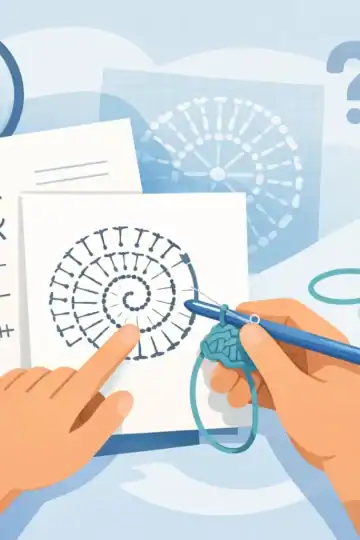
With chenille, the top loops can disappear into the fluff. Place a locking stitch marker in the first stitch of every round when making amigurumi or a circular lovey head. Move it up as you work so you always know where the round begins.
For rows, mark the first and last stitch. This tiny habit prevents one of the most common chenille mistakes: slowly adding or dropping stitches because the edge is hard to identify. It is especially helpful on ears, legs, blanket borders, and other small pieces where one missed stitch changes the shape.
Count as you crochet, not afterward
Counting a completed chenille row is possible, but it is not much fun. Count each stitch as you make it, and pause at the end of every row or round to confirm the total. If your pattern has repeats, use a marker between sections rather than trusting your eye to find the stitches later.
A simple written tally can save a sweet little bunny from becoming mysteriously lopsided. For a plushie head, it also helps to place a marker at increase rounds and decrease rounds so you can pick up your work after a busy family afternoon without guessing where you stopped.
Feel for the stitch instead of looking for it
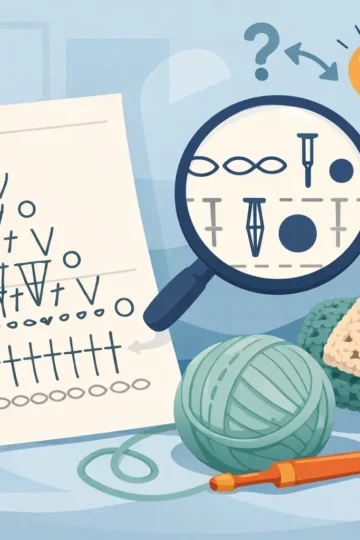
This is the trick that often makes chenille click. Gently use your fingertip or the tip of your hook to feel for the V-shaped top loops. Avoid stabbing blindly through the fuzzy fabric. Insert your hook with purpose, then pull the loop through smoothly.
Good lighting still helps, especially with dark colors, but touch matters just as much. If you are new to chenille, begin with a lighter shade such as cream, soft gray, pale pink, or light blue. Black, navy, and deep brown chenille can be adorable for a puppy or bear, but they make stitch definition much harder to spot.
Keep your tension relaxed and even
Chenille is forgiving in appearance, but uneven tension can change the size of a toy piece or make a blanket edge wavy. Try not to grip the yarn too tightly. Let it glide over your finger with just enough control to form even loops.
Would you like to save this?
If your hands tend to crochet tightly, take short breaks. Chenille is bulky and can tire your wrists sooner than finer yarns. A relaxed pace is usually faster than rushing, noticing a problem six rounds later, and having to pull out fuzzy yarn that does not want to cooperate.
Avoid Frogging When You Can
Frogging, or unraveling stitches, is sometimes necessary. With chenille yarn, it should be a last resort. Pulling it back repeatedly can loosen the plush fibers, weaken the core, and make the strand look thin in places.
When you spot a mistake just one or two stitches back, carefully reverse it right away. If the error is farther down, consider whether it truly affects the finished piece. A small uneven spot inside a stuffed dinosaur or near the back of a blanket may disappear once the project is finished. If it changes the stitch count, shape, or safety of the item, fix it before moving on.
To unravel a larger section, pull slowly and keep the working yarn close to the fabric rather than yanking from a distance. If it catches, stop and gently loosen each stitch with your hook. Never force it. A broken chenille strand is much more frustrating than a few quiet minutes of careful repair.
Use Stitches That Let Chenille Shine
Simple stitches look especially lovely in plush yarn. Single crochet is a favorite for amigurumi because it creates a dense, tidy fabric. Half double crochet works beautifully for quick baby blankets, baskets, and slippers. Moss stitch can add soft texture to a blanket without making the fabric overly bulky.
Very open lace patterns are usually not the best match for chenille, particularly for baby items. The yarn's fluff can hide the stitch design, and larger holes may catch little fingers or show stuffing. Detailed textured stitches can work, but test a sample first. Sometimes a simple single crochet body with cute ears, a snout, or a colorful scarf gives a plushie more personality than a complicated stitch pattern ever could.
Start and Finish With Extra Security
Chenille tails can slip out if they are woven in only once or left too short. Leave a longer tail than you would with regular yarn, usually at least 6 inches. Weave it through several nearby stitches in different directions, then split the yarn tail into smaller sections if the yarn construction allows it. Weave those sections separately before trimming.
For plushies, sew pieces together with the same chenille yarn only if it feels strong enough. Some chenille yarns can snap when pulled firmly. A matching smooth yarn or strong sewing thread can be a better choice for attaching ears, arms, and tails, since it hides inside the fluffy fabric while providing a more dependable seam.
When adding faces to baby toys, embroidered eyes and features are often a thoughtful choice. Plastic safety eyes can be appropriate for some projects when installed correctly, but the recipient's age, the toy's use, and supervision all matter. Follow the pattern instructions, inspect every attachment, and use your best judgment for gifts intended for babies and young children.
Pick Projects That Match Chenille's Strengths
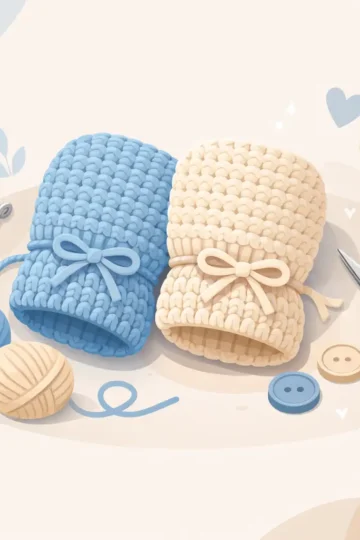
Chenille yarn is made for comfort. It is a wonderful choice for a small animal lovey, a chunky stroller blanket, soft baby booties, a sleepy bear, or a cuddly dinosaur. These projects let the yarn's plush texture do most of the decorating, so you can get an adorable result without complicated construction.
It may not be the right choice for every project. Items that need sharp stitch definition, firm handles, or frequent machine washing can perform better in cotton, acrylic, or a blend designed for durability. For a baby gift, always check that the yarn care instructions suit the family's real life. A beautiful handmade blanket is even better when it can handle regular use and easy cleaning.
Before committing to a full project, make one small test piece: a round for a plushie head, a few blanket rows, or one tiny bootie sole. You will learn how the yarn feels in your hands, whether your hook size works, and how well your chosen color shows the stitches. Then you can crochet the cute, cozy gift with more confidence and enjoy watching that soft chenille yarn become a favorite childhood comfort.
Check out my Latest Video!
Subscribe to my: