Chenille Yarn Comparison for Cozy Crochet Gifts
That adorable, cloud-soft skein can make a bunny lovey feel instantly gift-worthy, but not every chenille yarn behaves the same once it meets a crochet hook. A useful chenille yarn comparison looks beyond softness. For baby blankets, cuddly toys, and cozy slippers, stitch definition, durability, washability, and yarn weight all matter just as much as the color on the shelf.
As a mom and longtime maker, I love chenille for projects children actually reach for: the blanket dragged from room to room, the dinosaur hugged at bedtime, and the little plushie tucked into a diaper bag. The best choice depends on what you are making and how hard that finished item will be loved.
Chenille Yarn Comparison: What Changes From Skein to Skein
Chenille describes the fuzzy, velvety construction of the yarn, not one universal thickness or fiber recipe. Most crochet chenille yarns are polyester, with a soft pile wrapped around a stronger core. That fluffy surface is what gives a lovey or amigurumi its sweet, plush look, but it can also hide stitches and make frogging less forgiving.
The first difference to check is weight. Bulky and super bulky chenille yarns work up quickly and create wonderfully squishy blankets and oversized stuffed animals. They are ideal when you want a handmade baby gift to feel substantial without spending weeks on it. The trade-off is that fine details can disappear, and a large blanket can become surprisingly heavy.
A lighter chenille, often labeled medium or bulky depending on the brand, gives you more control over shaping. It is usually the better fit for smaller amigurumi, booties, doll clothes, or toys with ears, tails, and little limbs. It takes longer to crochet, but you can see the form of the project more clearly and use smaller safety eyes or embroidered details with better proportion.
Yardage is another easy detail to miss. Two skeins may look nearly identical in size while offering very different yardage. A thick, lofty yarn can disappear fast in a large blanket, especially if your pattern uses tight single crochet. Before falling in love with a color, compare the yards per skein and the total number of skeins needed. It is much nicer to buy enough of the same dye lot at the start than to search for a close match halfway through a baby blanket.
Match the Yarn to the Project
For a baby lovey or security blanket, choose a chenille yarn that is soft but not overly slippery. You want the fabric to drape gently, while the stitches still hold their shape around the blanket edge and the plush animal head. A medium-to-bulky chenille often gives the nicest balance. Very thick yarn can make the head look oversized and make the blanket portion feel stiff unless the pattern is designed for it.
For amigurumi, structure matters more than drape. Pick a yarn that holds up when crocheted at a tight gauge and does not show big gaps between stitches. The finished toy should keep its round tummy, floppy ears, and cute little snout after plenty of cuddles. If the yarn feels very slick or sheds as you pull it through a magic ring, use a slightly smaller hook than the label suggests and make a test piece first.
For blankets, think about size, washing, and season. Super bulky chenille creates a fast, luxurious throw, but it may be too warm or heavy for a tiny newborn blanket. A lighter bulky chenille can be a more practical nursery choice because it still feels cozy while folding neatly into a stroller or gift bag. For a toddler blanket, the extra weight of a thicker yarn can be a lovely comfort feature, as long as the finished fabric is not overly dense.
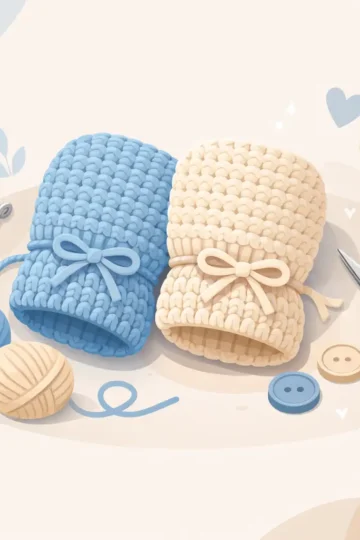
For slippers and booties, chenille feels delightful against the skin but needs help with structure. A chenille-only sole may stretch or wear quickly, particularly on smooth floors. Choose a pattern with a firm stitch pattern, consider a non-slip sole treatment if appropriate, and save the fluffiest yarn for the cuff or upper section when durability is the priority.
Softness Is Only One Part of Baby-Friendly
A yarn can feel wonderfully soft in your hands and still be a poor choice for a frequently washed baby item. Check the care label before you begin. Machine-washable polyester chenille is usually the most practical option for loveys, blankets, and toys, since parents need gifts that can handle spills, drool, and regular laundry days.
Also pay attention to shedding. A little fuzz during crocheting is common, especially at cut ends, but a yarn that sheds heavily in your hands is frustrating for plushies and may not look its best after repeated use. Crochet a small swatch, rub it gently, and wash it according to the label. This simple test tells you more than squeezing a skein in the store ever can.
Would you like to save this?
For items intended for babies and young children, construction matters as much as yarn choice. Secure every end thoroughly, stitch parts on firmly, and follow age-appropriate safety guidance for eyes, noses, buttons, and other embellishments. Embroidered facial features are often a thoughtful choice for baby gifts. Chenille yarn itself does not make a project automatically child-safe, but careful finishing makes a big difference.
Stitch Definition, Color, and Crochet Comfort
Chenille is famous for disguising stitches. That can be a blessing when you want a smooth, cozy blanket with no obvious texture, and it can be challenging when a pattern requires counting every increase. Dark colors make the loops especially hard to see, while pale shades can be easier for newer crocheters to read.
If you are new to chenille, start with a simple project in a lighter color: a small bear, a basic baby lovey, or an easy rectangle blanket. Use a stitch marker in the first stitch of every round and move it each time you complete a round. Count often rather than relying on your eyes alone. When it is time to undo a mistake, pull slowly and separate the loops with your fingers instead of yanking the yarn.
Texture varies more than many makers expect. Some chenille yarns have a short, dense velvety pile that produces tidy, polished plushies. Others have longer fibers and a fluffier finish that looks extra cozy in blankets but can soften small details. Neither is better across every project. A sleepy puppy lovey may look adorable in a fluffy yarn, while a tiny dinosaur with spikes and toes benefits from a denser option.
Color can affect practicality, too. Cream, blush, and soft pastels look beautiful in a nursery, but they show everyday marks more quickly than medium shades. For a toy that will travel everywhere, consider a gentle sage, dusty blue, warm brown, or cheerful multicolor yarn. You still get a cute handmade look, with a little less worry when the toy lands on the playground floor.
Price, Yardage, and When Premium Yarn Is Worth It
Budget chenille can be perfect for a quick practice project or a large throw where you need many yards. However, less expensive options sometimes have inconsistent thickness, weak pile at the cut ends, or colors that vary from skein to skein. That does not mean you should avoid them. It means you should inspect the yarn closely and buy enough at once for a larger project.
A premium chenille yarn may earn its higher price when you are making a special heirloom-style gift, a detailed plushie, or something that needs frequent washing. You may notice smoother stitching, more consistent color, stronger durability, and less shedding. Still, the most expensive yarn is not automatically the right one. For a chunky, simple toddler blanket, generous yardage and easy care can matter more than a fancy label.
When comparing prices, divide the cost by yardage rather than judging the skein price alone. Then consider your pattern's recommended yarn weight and gauge. Substituting a cheaper, thicker yarn can actually cost more if it requires extra skeins and turns a small project into a much larger one.
Make a Small Swatch Before Committing
A swatch is especially helpful with chenille because the label cannot tell you how your particular crochet tension will change the fabric. Crochet a small square in the stitch pattern your project uses. Measure it, squeeze it, stretch it, and look for holes. If you are making amigurumi, stuff a little section to see whether the filling peeks through.
This is also the moment to decide whether to change hook size. A looser hook can create a softer blanket drape, while a smaller hook usually gives stuffed animals the firm fabric they need. Keep notes on the hook, yarn, and stitch count so you can return to the same happy result for your next cozy gift.
The best chenille yarn is the one that suits the little person receiving your make: washable for busy families, sturdy for everyday hugs, and soft enough to become their favorite comfort item.
Check out my Latest Video!
Subscribe to my: